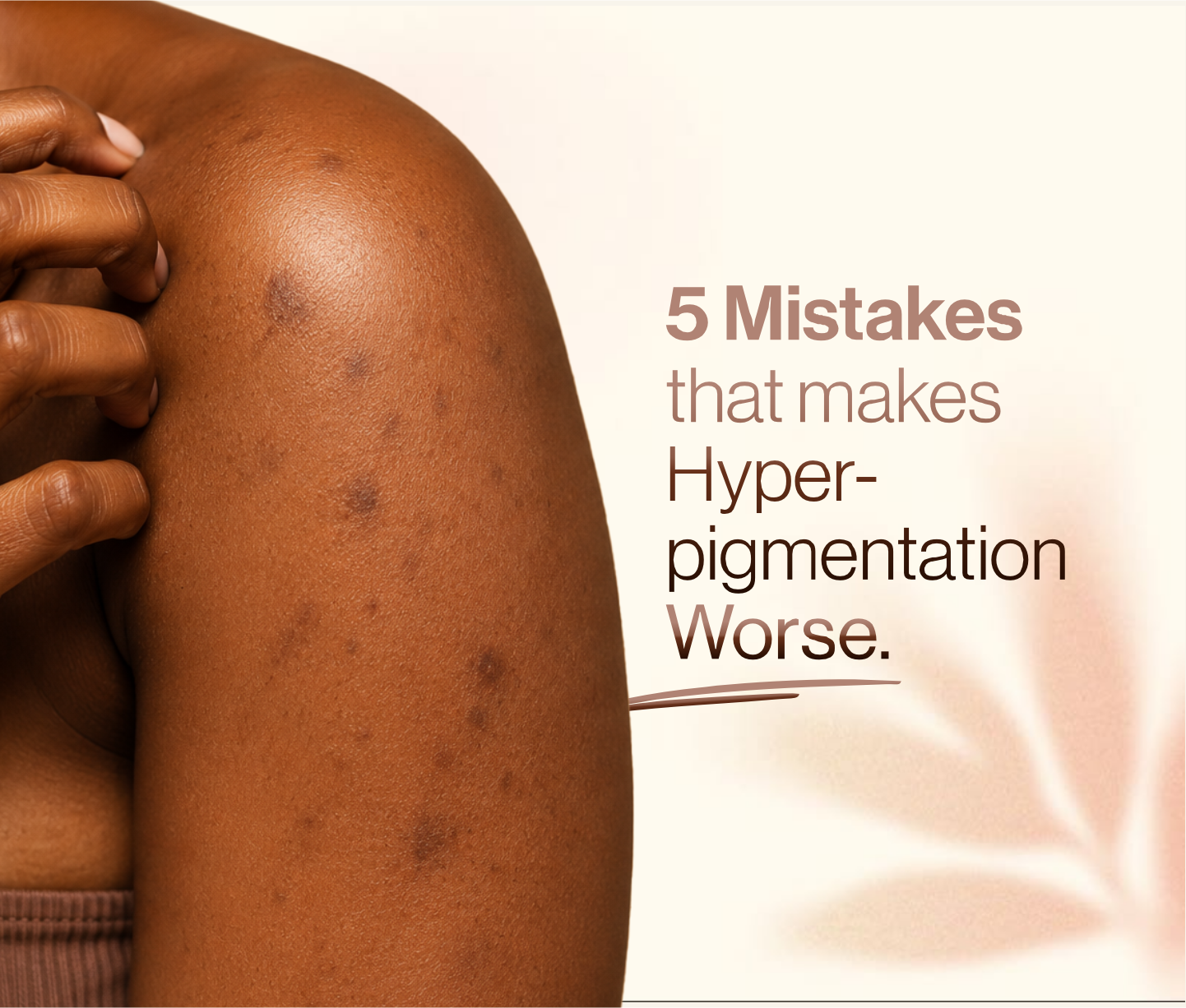
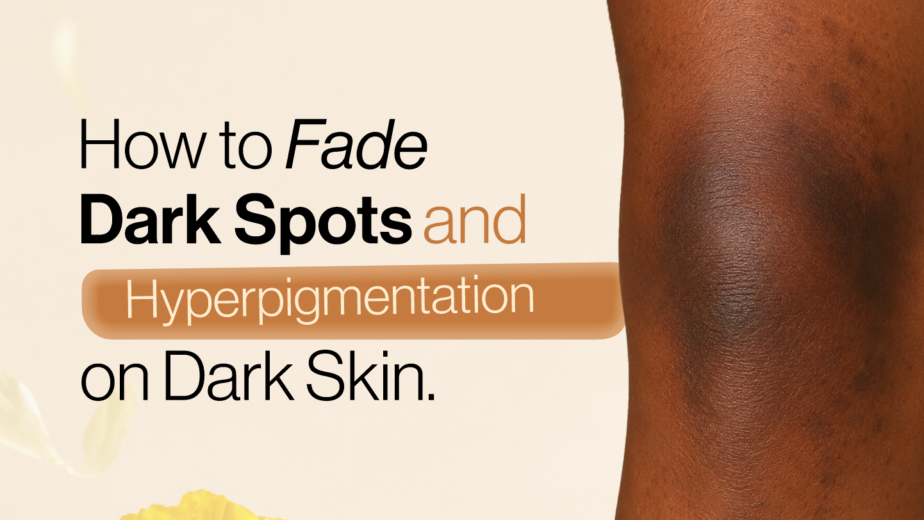
You’ve bought the products. You’ve done the research. You’re consistent, mostly. And yet somehow, those dark spots aren’t budging. Or worse, they’re getting darker.
If that sounds familiar, you’re not alone. Hyperpigmentation is one of the most treated skin concerns in the world and also one of the most mismanaged. Not because people aren’t trying, but because a handful of very common, very innocent-seeming habits are quietly working against every effort to fade it.
Here are the five most common mistakes that make hyperpigmentation worse and what to do instead.
1. SKIPPING SUNSCREEN
This is the big one. If there is only one thing you take from this article, let it be this.
Sunscreen is not a nice-to-have for people dealing with hyperpigmentation. It is the treatment. Every dark spot you are working to fade can be deepened sometimes significantly by UV exposure. The sun triggers melanin production, which is exactly the process you are trying to slow down. Without SPF, your brightening serum is fighting a battle it simply cannot win.
And before you think this doesn’t apply to darker skin tones it does. The melanin in deeper skin provides some natural protection from sunburn, but it does not protect against the pigmentation-worsening effects of UV exposure. Dark skin is not immune to sun damage. It just shows it differently.
Broad-spectrum SPF 30 or higher, every morning, every day rain, harmattan, or shine. This is the non-negotiable foundation of any hyperpigmentation routine. Everything else builds on top of it.
2. PICKING, SCRATCHING, AND SQUEEZING
We know. It’s almost impossible not to. But every time you pick at a spot, scratch an itch aggressively, or squeeze a blemish, you are triggering inflammation in the skin and inflammation is the direct cause of post-inflammatory hyperpigmentation.
Here’s what’s happening beneath the surface: the skin responds to any injury or trauma by sending immune cells to the area, which triggers melanin production as part of the healing process. On deeper skin tones, this response is particularly pronounced meaning a small squeeze can leave a mark that takes months to fade.
The original pimple might have cleared in a week. The dark spot it leaves behind? That’s the souvenir from picking it.
Leave it alone. Treat it with targeted actives. Let it heal on its own timeline. The mark left by an untouched spot is almost always significantly lighter than one that’s been interfered with.
3. OVER-EXFOLIATING OR USING HARSH SCRUBS
Exfoliation is genuinely one of the best things you can do for hyperpigmentation but only when done correctly. Too much of it, or the wrong kind, causes exactly what you’re trying to avoid.
Harsh physical scrubs with jagged, irregular particles ground walnut shell, some sugar cane scrubs, rough loofahs used aggressively create microscopic tears in the skin. Those micro-injuries trigger inflammation. That inflammation triggers melanin. And suddenly the very thing you were using to brighten your skin is making it darker.
The same applies to chemical exfoliants used too frequently or at concentrations that are too high for your skin. Retinol rashes, acid burns, and over-peeled skin are all forms of skin trauma and trauma always risks worsening pigmentation on melanin-rich skin.
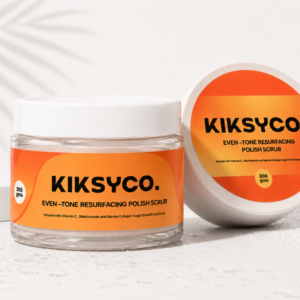
The rule is simple: exfoliate gently, exfoliate consistently, and let your skin tell you when it’s had enough. Once or twice a week with a gentle, emulsifying sugar scrub is enough to accelerate cell turnover and brighten the complexion without ever crossing into damage territory.
4. USING TOO MANY ACTIVES AT ONCE
The skincare internet will have you believing that more is always more. A Vitamin C serum here, a retinol there, a glycolic acid toner, a niacinamide moisturiser, and a kojic acid spot treatment all in the same routine.
In reality, layering too many potent actives at once is one of the fastest routes to irritated, reactive, inflamed skin which is, again, exactly the environment in which hyperpigmentation thrives.
Some combinations are genuinely problematic. High-concentration Vitamin C layered directly with exfoliating acids can overwhelm the skin barrier. Retinol used too frequently without building tolerance causes peeling and sensitivity. Each of these reactions however minor they seem is a form of skin stress that triggers melanin production in darker skin tones.
The smarter approach is to introduce one new active at a time, give your skin two to four weeks to adjust, and build a routine that is sustainable rather than aggressive. Consistent use of a small number of well-chosen, complementary ingredients will always outperform a complicated stack of competing actives.

5. EXPECTING RESULTS TOO QUICKLY AND QUITTING
This one is perhaps the most damaging mistake of all, not for your skin, but for your progress.
Hyperpigmentation develops over time. A dark spot from a breakout six months ago carries pigment that has settled into multiple layers of the skin. Fading it requires patience, consistency, and the understanding that skin renews itself on a 28-day cycle. Real, visible results from a brightening routine typically begin to show at around six to eight weeks and significant improvement happens closer to twelve.
What most people do is start a routine, see very little change at two or three weeks, assume it isn’t working, and switch to something else. Then they start again. Then they switch again. And the skin never gets the sustained, consistent attention it needs to actually change.
Give your routine time. Trust the process. Keep using SPF. And resist the urge to layer on more products in the hope of speeding things up that path almost always leads to irritation, which leads back to mistake number three.
THE PATTERN BEHIND ALL FIVE
Look closely and every single mistake on this list has one thing in common inflammation. Inflammation is the primary driver of hyperpigmentation, especially on deeper skin tones. Every mistake here either triggers it directly or creates the conditions for it.
The antidote is equally consistent: a gentle, targeted, patient approach with actives that work with your skin rather than against it. Less drama. More consistency. More SPF.
Your skin is not the problem. The routine just needed adjusting.
Ready to get the routine right?
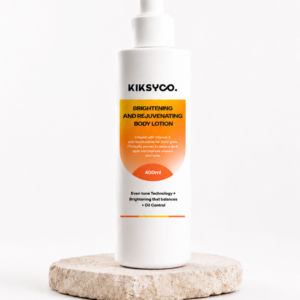
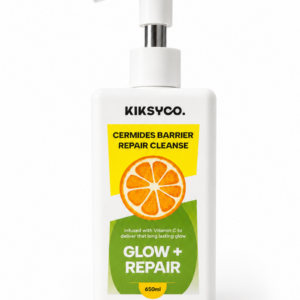
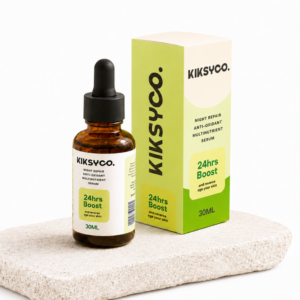
The Kiksyco range is formulated with hyperpigmentation-prone and melanin-rich skin in mind, gentle enough not to trigger it, active enough to actually treat it.